
Comparison · 4 min read
Hobby Box vs Retail Box: What's the Difference?
· By the Sports Card Value Scanner team
Quick answer
Hobby boxes are sold through card shops and online hobby stores. They cost more but usually guarantee a set number of hits, such as autographs or memorabilia cards, and have better odds for scarce parallels. Retail products like blasters, hangers and mega boxes, sold in big-box stores, are cheaper and easier to find, but rarely guarantee hits and often have their own retail-only parallels. Collectors chasing big cards tend to buy hobby; casual collectors and kids often buy retail.
Card companies make two main versions of most sports card releases: hobby, sold through card shops and hobby distributors, and retail, sold in big-box stores. The difference shows up in price, odds and contents. A hobby box costs more and usually guarantees something printed on the box, such as one or more autographs, relics or numbered parallels, and it often includes hobby-only parallels and inserts. Retail formats such as blasters, hangers, cello packs and mega boxes cost less per box and are easier to buy, but their odds of an autograph are much lower and their parallels may be retail exclusives. Neither is a dependable investment, since most boxes are worth less than their price once opened. The right choice depends on your budget, what you're chasing, and how much you enjoy opening packs compared with buying the singles you want.
| Hobby boxes | Sold through card shops and hobby stores; higher price, guaranteed hits |
|---|---|
| Retail | Blasters, hangers, cello packs and mega boxes from big-box stores |
| Autograph odds | Much better in hobby |
| Exclusive parallels | Many products have hobby-only and retail-only versions |
| Want one card? | Buy the single instead of either |
What's the difference between a hobby box and retail?
Hobby boxes cost more and usually guarantee hits such as autographs or relics, while retail formats are cheaper, sold in big-box stores and focus on base cards, inserts and retail-only parallels.
| Feature | Hobby | Retail |
|---|---|---|
| Where to buy | Card shops, hobby distributors, online hobby stores | Big-box stores and their websites |
| Price per box | Higher | Lower |
| Guaranteed hits | Usually printed on the box | Rare |
| Odds of an autograph | Better | Much lower |
| Parallels | Hobby-only parallels in many products | Retail-only parallels in many products |
| Formats | Hobby box, jumbo, super box, case | Blaster, hanger, cello, mega box, value pack |
What do you get in a hobby box?
Hobby boxes are built for collectors chasing hits. Most list their guarantees on the packaging, such as a number of autographs, memorabilia cards or numbered parallels per box, and many include hobby-only parallels. Jumbo and super box formats pack more hits into a pricier box. Buying from a local card shop also gets you advice, supplies and someone to trade with.
What do you get in retail packs and boxes?
Retail gets you cheaper packs and boxes that are easier to find. Blasters, hangers and cello packs sit on big-box store shelves, and mega boxes often include retail-exclusive parallels or inserts. Hits are possible but rare, and shelves can be bare when a popular product launches. For kids and casual fans, retail often gives the most fun for the money.
Hobby box vs retail box for baseball cards: what's different?
Baseball follows the same split. Hobby boxes of Topps flagship baseball, for example, often include a guaranteed autograph or relic, while retail formats focus on base cards, inserts and retail-only parallels. Bowman products are a common hobby pick for collectors chasing prospect autographs. Read the box and the published odds before buying, since configurations change from year to year.
Hobby box vs retail box for sports cards: which should you buy?
Buy hobby if you're chasing autographs or numbered cards, retail if you're opening packs for fun on a budget, and the single if you want one specific card.
- Chasing autographs or numbered cards: hobby, for the guarantees and better odds.
- Opening packs for fun on a budget: retail.
- Building a set: either, or buy the set complete, which is often cheaper.
- Want one specific card: skip both and buy the single.
Live breaks, where you pay for a share of a box such as one team, are another way to chase hits without buying a whole hobby box. They carry the same odds, just split between buyers. New to the hobby? Start with how to start collecting sports cards.
Are boxes a good investment?
Usually not, once opened. The cards in most boxes are worth less than the box price, because a few big hits carry most of the expected value and most boxes don't contain them. Sealed boxes of popular products sometimes rise in value over the years, but that's a bet on demand, not a sure thing. Buy boxes for the fun of opening them, and buy singles when you want a specific card.
How do you check what your pulls are worth?
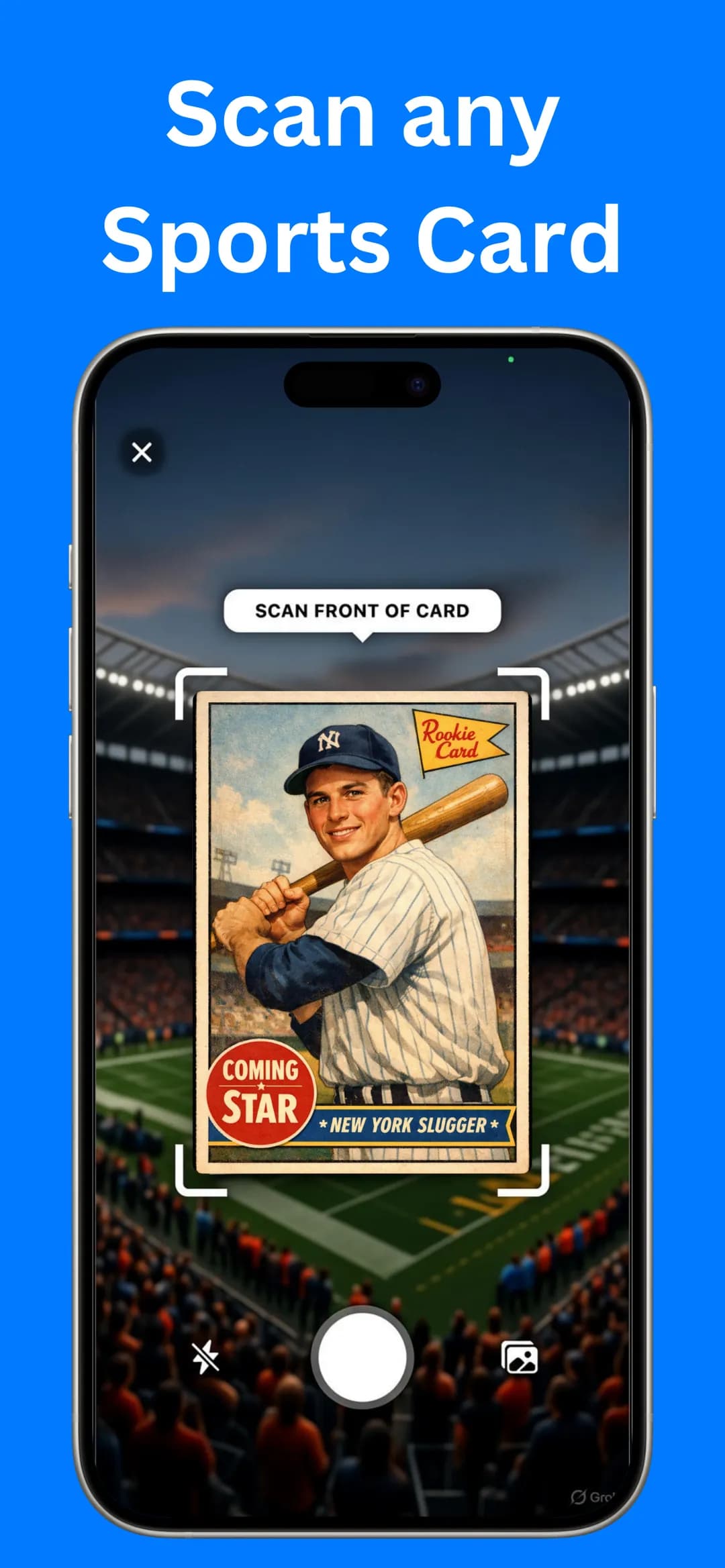
After a break or a box, scan your pulls with Sports Card Value Scanner to see each card's year, set and card number with a reference price range and rarity score. It's a quick way to spot which cards deserve a top loader and which are commons. Parallels can look like base cards in a photo, so confirm the version by eye with our guide to parallels and refractors, and check unfamiliar labels in the sports card terms glossary.
Frequently asked questions
Is hobby or retail better?
Hobby is better for chasing autographs and numbered cards, thanks to guarantees and better odds. Retail is better for cheap, casual pack opening.
What is a blaster box?
A blaster is a common retail box format sold in big-box stores, with several packs per box and sometimes a retail-exclusive insert or parallel.
Do retail boxes have autographs?
Sometimes, but the odds are much lower than in hobby boxes, and retail boxes rarely guarantee one.
Sources

Find out what your cards are worth
Scan your first card in seconds. Get the card details, a reference price range and a rarity score, then build a collection you can track.


4.5★ App Store (75) · 4.4★ Google Play (79) · Free to download